
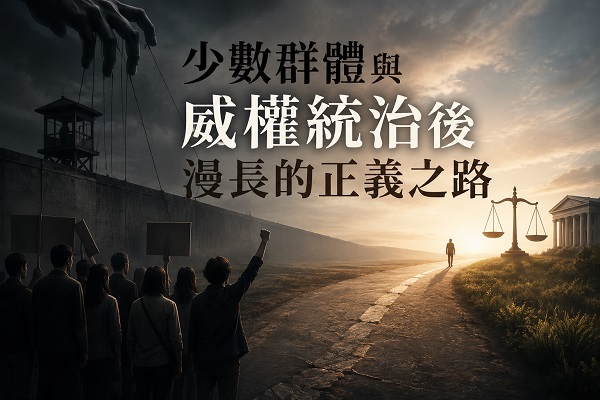
Minorities and the Long Road to Justice After Authoritarianism
少數群體與威權統治後漫長的正義之路
CAP-LC submits to the Council a reflection on how victims of state violence continue to seek redress when truth emerges slowly and procedural limits close too quickly.
CAP-LC(法國爭取個人及組織良心自由協調會)向人權理事會提交一份反思性文件,探討當真相需要很長時間才能浮現,而法律程序所設定的期限卻過短時,國家暴力的受害者如何繼續尋求救濟。
Across continents, societies that have moved beyond authoritarian rule confront a recurring dilemma. Victims of past state violence often discover that the transition to democracy did not end their struggle for justice. Truth emerges gradually, archives open in fragments, witnesses speak only when fear recedes, and historical reconstruction proceeds step by step. Yet legal systems frequently impose rigid temporal boundaries that prevent victims from presenting new evidence once a statutory window has closed. The result is a profound tension between the slow rhythm of truth and the fast rhythm of procedural deadlines.
跨越各大洲,走出威權統治的社會普遍面臨著一個不斷重演的困境。 過去曾遭受國家暴力的受害者往往會發現,民主轉型並未能讓他們停下追求正義的腳步。真相需要長時間逐步浮現,資料只能片段地解密或公開,證人也必須等到恐懼消退後才願意發聲,歷史真相也只能一步一步地重建。然而,司法制度卻經常設定僵化的時間限制,使得受害者在法定期限屆滿後,即使出現新的證據也無法提出。結果是,真相需要長時間才能浮現,而法律程序所設定的期限卻過短,兩者之間形成了深刻的矛盾。
This tension is visible in countries that experienced dramatic political ruptures. Rwanda offers a stark example. The genocide of 1994 was followed by years of instability, and many abuses committed after the genocide fell outside the temporal scope of transitional mechanisms that focused exclusively on the events of that year. Latin America presents similar patterns. Several states limited transitional justice to the years of military dictatorship, even though violence, disappearances, and unlawful repression continued during the early democratic period. Victims who suffered after the official end of authoritarian rule often found themselves excluded from truth commissions and unable to seek redress because their cases were deemed outside the accepted historical frame.
這種緊張關係在經歷過劇烈政治變革的國家中尤其明顯。盧安達就是一個鮮明的例子。 1994年大屠殺之後是長年的動盪,因為轉型正義機制僅聚焦於當年的事件,大屠殺之後發生的許多侵害行為,因而被排除在適用範圍之外。拉丁美洲也出現類似的情形。一些國家將轉型正義限制於軍事獨裁統治時期,儘管在民主初期仍持續發生暴力、強迫失蹤和違法鎮壓,但在這段期間遭受侵害的受害者,往往發現自己被真相委員會排除在外,也因為案件發生在轉型正義所認定的歷史時期之外而無法尋求救濟。
These situations reveal a structural problem. Transitional justice mechanisms frequently define a closed period of past abuses, while administrative and judicial systems impose short limitation periods for more recent violations. Victims of authoritarian-era crimes may be told that their claims are too old. Victims of post-authoritarian abuses may be told that their claims are too recent and should have been filed within a narrow window. Both groups face the same obstacle: the law closes its doors before truth has fully emerged.
這些情況揭示了一個結構性問題。轉型正義機制往往將過往的侵害限定於一段特定且已經結束的時期,而行政與司法制度則對於較近期發生的侵害,設定較短的時效期間。威權時期的受害者可能被告知,其訴求已經年代久遠;後威權時期受侵害的被害人則可能被告知,他們的受害事件是較近期發生,且應該在一個很短的期限內提出。這兩類受害者面臨同樣的障礙:在真相尚未完全浮現之前,法律就已經關上了大門。
Human rights scholars have long argued that this approach contradicts the nature of state violence. Authoritarian regimes conceal evidence, destroy files, and intimidate witnesses. New facts often surface only decades later, through declassification, deathbed testimonies, or the discovery of previously unknown records. Limitation periods that expire before these facts appear create an institutional paradox. Victims are asked to prove their case within a timeframe controlled by the very state that committed the violations and withheld the evidence.
人權學者長期以來一直指出,這種做法與國家暴力的特質相矛盾。 威權政權會隱匿證據、銷毀檔案並恐嚇證人。新事實往往要等數十年後,透過檔案解密、臨終證言或發現先前未知紀錄才得以浮現。 在這些事實出現前即屆滿的時效制度,形成了一個制度性的悖論:受害者被要求在國家規定的短時限內提出證明,但當初實施侵害並隱瞞相關證據的,正是這個國家本身。
This paradox has led several democratic states to adopt special mechanisms that allow reopening cases when new evidence emerges, regardless of how much time has passed. Courts in the United States vacated wartime convictions of Japanese Americans forty years after the internment, once suppressed intelligence reports were uncovered. Germany recognized that administrative acts violating fundamental rights during the Nazi and East German periods were void from the beginning and could be revoked without invoking legal certainty. Canada addressed abuses in indigenous residential schools through a national process that did not rely on ordinary limitation rules. These examples show that justice can be pursued even when decades have elapsed, provided that the legal system acknowledges the particular nature of state violence.
這一悖論促使數個民主國家採取特殊機制,允許在出現新證據時重新審理案件,無論時間已過去多久。美國法院在一個拘留事件發生40年後,因為遭隱匿的情報資料被揭露,而撤銷了二戰時期對日裔美國人的有罪判決。德國承認在納粹及東德時期侵害基本人權的行政處分自始無效,且得直接撤銷,不得以法律安定性抗辯。加拿大則透過國家級程序處理原住民寄宿學校的侵害事件,完全不受一般時效規定的限制。這些案例顯示,只要司法制度承認國家暴力的特殊性,即使經歷數十年,正義依然可以得到伸張。
In this global context, CAP LC wishes to draw attention to the situation on the island of Taiwan. The island is not a member of the United Nations, yet it has voluntarily incorporated the ICCPR and ICESCR into domestic law and undergoes periodic reviews by independent experts. During the most recent review, civil society organizations documented how certain administrative practices continue to affect victims of past abuses, including those whose cases originated in the post-authoritarian period and even more recently.
在這樣的全球背景下,CAP-LC 希望提請關注台灣的情況。雖然台灣不是聯合國會員國,但已自願將《公民與政治權利國際公約》(ICCPR)與《經濟、社會與文化權利國際公約》(ICESCR)國內法化,並定期接受獨立專家審查。在最近一次審查中,公民社會團體記錄了某些行政作為如何持續影響曾經遭受侵害的受害者,包括案件始於後威權時期乃至更近期的受害者。
Among these cases, the Tai Ji Men case remains one of the most emblematic. The events began in 1996, several years after the end of martial law and the lifting of authoritarian structures. The community faced criminal charges that were later dismissed, and the Supreme Court confirmed that the monetary gifts offered by disciples to their Master (Shifu) were non-taxable. Five of the six tax years were corrected to zero. Yet one disputed year remained, and administrative authorities continued to issue new assessments, nationalize land intended for spiritual purposes, and maintain enforcement measures that civil society organizations have described as discriminatory and disproportionate.
在這些案件中,太極門案件仍然是最具代表性的案例之一。該案始於1996年,即解除戒嚴及威權體制解體數年後。該團體面臨刑事指控,後來獲判無罪無稅確定,最高法院也確認弟子贈與師父的敬師禮屬於免稅所得。六個課稅年度中,已經有五個年度的課稅處分更正為零,仍有一個年度的稅單爭議至今尚未解決,行政機關持續發出新的課稅處分,透過行政執行程序將太極門用於修行用途的土地收歸國有,公民社會團體則認為,相關行政執行措施具有歧視性且不成比例。
New evidence has emerged over time, including testimonies and official findings that cast doubt on the legality of the original administrative actions. Despite this, authorities have invoked strict limitation rules to prevent reopening the case. Even though key evidence emerged long past the 5-year deadline, it could not be introduced because the 5-year statute of limitations for a retrial under the Administrative Litigation Act had already expired. This situation illustrates how procedural limits can prevent victims of post-authoritarian abuses from obtaining redress, even when the underlying acts were found to be unfounded or illegal.
隨著時間推移,新證據陸續浮現,包括證言及官方調查結果,這些都對原始行政行為的合法性提出了質疑。儘管如此,行政機關仍援引嚴苛的時效規定,以阻礙案件重審。即使關鍵證據是在5年期限屆滿許久後才浮現,卻因為行政訴訟法所規定的5年再審時效已經屆滿,而無法使用新證據。這種情況說明了程序時限如何阻礙後威權時期遭受侵害的受害者獲得平反與救濟,即使原處分已被認定缺乏事實根據或違法。
CAP LC respectfully submits that transitional justice and the revision of clearly abusive cases should not be confined to the years of authoritarian rule. Abuses committed during a democratic period deserve equal attention, particularly when they stem from institutional practices inherited from the past. Limitation periods should not bar victims from presenting new evidence that emerges through declassification, witness testimony, or new findings. Administrative agencies should have a duty to revoke illegal acts ex officio when substantive justice requires it, and victims should have an enforceable right to petition for redress when new facts come to light.
CAP-LC謹此建議,轉型正義與明顯具有濫權案件的重新審查,不應僅侷限於威權統治時期。民主時期發生的侵害行為同樣值得關注,特別是當這些行為源自過去所延續下來的制度性作為時。時效限制不應阻礙受害者提出透過解密、證人證詞或新調查結果所浮現的新證據。當實質正義要求撤銷違法行為時,行政機關應負有依職權撤銷的義務;當新事實浮現時,受害者應享有可依法提出救濟請求的權利。
The Human Rights Council has consistently affirmed that justice for victims of state violence requires accessible remedies, effective oversight, and a commitment to truth that does not expire. CAP LC calls on the Council to encourage states to adopt legal frameworks that allow reopening cases involving severe human rights violations, regardless of when new evidence emerges. Victims of authoritarian-era abuses and victims of post-authoritarian abuses share the same need: a path to justice that remains open until truth is fully known.
人權理事會一再強調,為國家暴力受害者伸張正義,需要具備通用的救濟管道、有效的監督機制,以及永不過期的求真承諾。CAP-LC 呼籲理事會鼓勵各國建立法律架構,允許針對涉及重大人權侵害的案件,不受新證據提交的時間限制,都能重新審查。威權時期與後威權時期的受害者都有著共同的需求:一條通往正義、直到真相大白前永遠敞開的大道。
The experience of the island of Taiwan, and the unresolved situation of Tai Ji Men, demonstrate that transitional justice is an ongoing process. It requires legal systems that recognize the slow emergence of truth and the enduring impact of state violence on individuals and communities.
台灣的經驗以及尚未解決的太極門案件,都顯示轉型正義是一個持續進行的歷程。這需要司法制度深刻體認到:真相往往需要很長時間才能浮現,而國家暴力也會對個人與社群造成長遠影響。